
 By team@soccerallies.com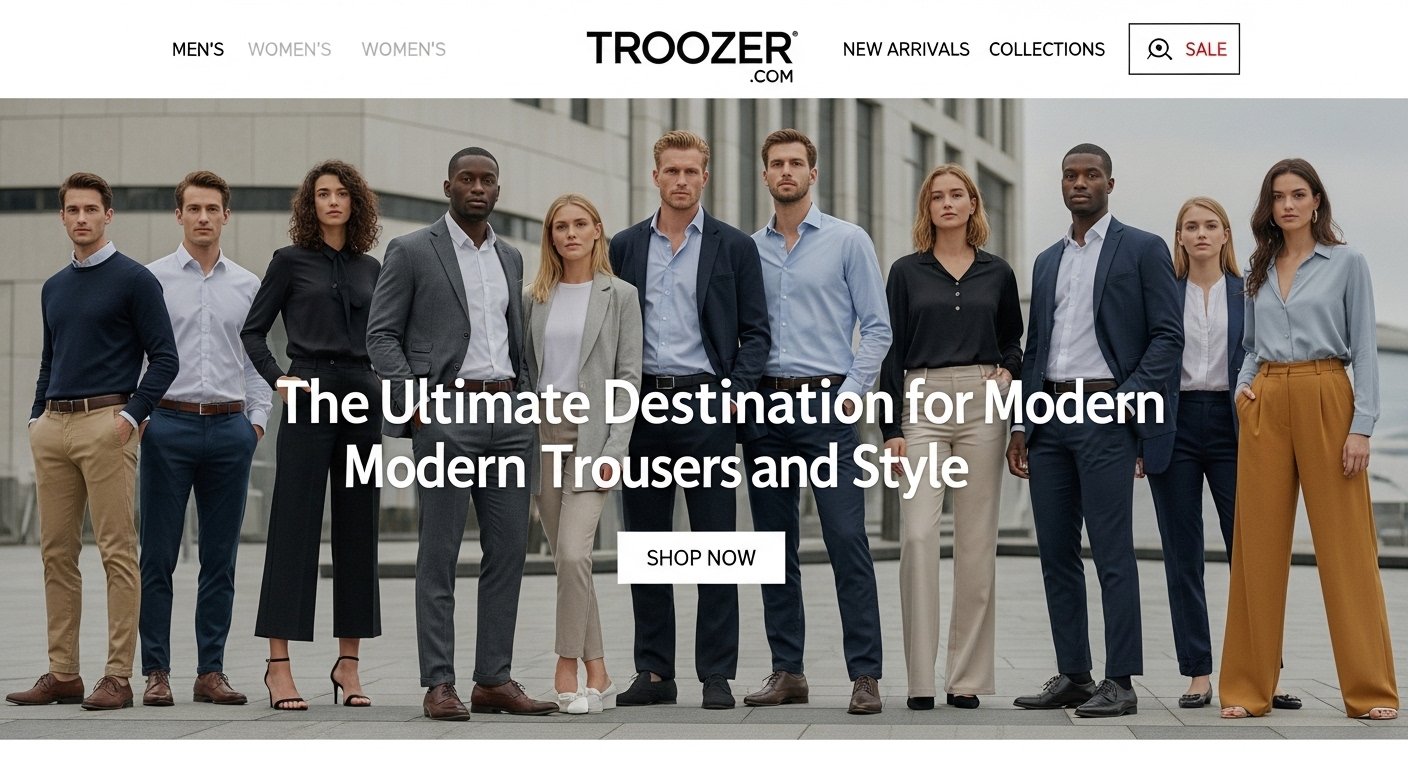
A few years ago, buying trousers online often felt like a compromise. You either got something that looked great but fit poorly, or something comfortable that lacked personality. For many professionals and style-conscious consumers, the hunt for trousers that balanced form and function became a frustrating ritual. That experience is precisely where Troozer com enters the conversation, reshaping how modern buyers think about everyday style. More than just another apparel platform, it represents a broader shift in how fashion is discovered, evaluated, and worn in a digitally native era.
In a time when wardrobes are expected to be versatile, durable, and expressive, the emergence of platforms focused on niche excellence signals a new chapter for fashion commerce. The modern consumer is no longer satisfied with generic choices. They want curated solutions. They want quality without complexity. And increasingly, they want brands that understand how clothing fits into real life, not just marketing campaigns.
The Rise of Specialized Fashion Platforms
Fashion has always evolved alongside technology. From department stores to e-commerce giants, each era redefined how people accessed style. Today, however, the shift is subtler but more meaningful. Instead of massive marketplaces trying to be everything for everyone, consumers are gravitating toward focused platforms that solve specific wardrobe needs exceptionally well.
Trousers, surprisingly, sit at the center of this shift. They are foundational pieces worn across contexts: offices, travel, casual weekends, and formal settings. Yet historically, they have been underserved by online retail, often buried beneath louder fashion categories like sneakers or outerwear.
What sets newer fashion platforms apart is their understanding that wardrobe staples deserve the same level of innovation as statement pieces. Rather than treating trousers as afterthoughts, modern retailers are building entire ecosystems around fit, fabric, and functionality. This approach reflects a deeper insight: everyday clothing shapes daily confidence.
Why Trousers Became the New Battleground for Style
At first glance, trousers may seem like a mundane category. But in reality, they represent one of the most technically complex garments in fashion. The right pair must balance structure and flexibility, style and durability, comfort and silhouette.
Professionals working hybrid schedules need trousers that transition seamlessly from home offices to boardrooms. Entrepreneurs want pieces that project confidence without sacrificing comfort during long workdays. Younger consumers expect adaptability, clothing that moves between casual and polished environments.
This growing demand has elevated trousers from background items to focal wardrobe investments. Buyers are now asking deeper questions before purchasing. They consider fabric sourcing, tailoring precision, stretch performance, and even sustainability. In this landscape, platforms that prioritize thoughtful design over mass volume stand out.
A Platform Built Around Everyday Elegance
The most compelling fashion ideas are often the simplest. Instead of chasing seasonal trends, some emerging retailers focus on refining the fundamentals. The philosophy behind curated trouser platforms reflects this mindset. They recognize that a well-made pair of trousers can anchor an entire wardrobe.
The emphasis shifts from endless variety to meaningful selection. Instead of overwhelming customers with thousands of options, curated platforms narrow choices to pieces that meet strict quality thresholds. This reduces decision fatigue while elevating trust. Shoppers begin to feel that each item has earned its place in the catalog.
Another defining trait is storytelling through design. Each pair of trousers is positioned not merely as clothing but as a tool for self-expression. Whether someone prefers minimalist tailoring or bold contemporary cuts, the goal is to connect product with identity.
The Technology Behind Smarter Fashion Choices
Modern fashion platforms are not just about fabric and stitching. They are powered by data-driven insights that shape product development and customer experience. By analyzing user behavior, feedback loops, and purchasing patterns, companies can refine their offerings in near real time.
This technological layer transforms how fashion evolves. Instead of guessing trends months in advance, brands can adapt quickly. If customers consistently favor breathable materials or tapered fits, those preferences inform future designs.
Equally important is the user experience. A well-designed digital storefront reduces friction, making browsing intuitive and enjoyable. Seamless navigation, detailed sizing guides, and transparent product descriptions all contribute to building confidence in online purchases.
In an industry historically plagued by returns and sizing mismatches, this level of precision represents meaningful progress.
Style Meets Function: What Modern Buyers Expect
Today’s fashion consumer operates differently from previous generations. They are informed, research-driven, and highly selective. Before committing to a purchase, they evaluate value from multiple angles: longevity, versatility, and adaptability.
Modern trousers are expected to deliver more than aesthetics. They must perform. That means fabrics that resist wrinkles, designs that accommodate movement, and construction that withstands repeated wear. These expectations reflect broader lifestyle shifts, particularly as remote work and flexible schedules redefine daily routines.
Another emerging factor is emotional durability. Consumers increasingly want clothing that remains relevant over time. Instead of chasing fast fashion cycles, they look for pieces that feel timeless yet contemporary. This mindset aligns closely with platforms that prioritize thoughtful craftsmanship over fleeting trends.
The Business Case for Niche Fashion Leadership
From a business perspective, specialization offers clear advantages. By focusing deeply on a single category, companies can refine supply chains, improve quality control, and build brand authority. This creates a powerful competitive moat.
Niche leadership also fosters stronger customer loyalty. When a brand becomes synonymous with excellence in one area, repeat purchases follow naturally. Customers return not because of aggressive marketing but because of consistent satisfaction.
Investors and entrepreneurs are taking note. In recent years, the fashion startup ecosystem has seen growing interest in verticalized brands that dominate narrow segments. The logic is simple: mastery beats scale when it comes to long-term differentiation.
Understanding the Value Proposition
To appreciate the broader appeal of focused fashion platforms, it helps to break down what they offer compared to traditional retail models. The differences go beyond surface-level branding and extend into how products are developed and delivered.
| Feature | Traditional Fashion Retail | Focused Trouser Platforms |
|---|---|---|
| Product Strategy | Broad, trend-driven catalogs | Curated, category-specific selections |
| Design Approach | Seasonal cycles | Continuous refinement |
| Customer Experience | Volume-based browsing | Guided, intentional discovery |
| Fit Consistency | Varies widely | Highly standardized |
| Brand Identity | General lifestyle positioning | Deep category authority |
This comparison highlights why specialized platforms resonate with modern buyers. They simplify complexity while enhancing confidence. Instead of navigating endless options, consumers engage with curated excellence.
The Cultural Shift Toward Intentional Dressing
Fashion is ultimately cultural. It reflects how people see themselves and how they want to be perceived. Over the past decade, a quiet shift has emerged toward intentional dressing. People are buying fewer items but expecting more from each one.
This shift aligns with broader societal changes. Sustainability concerns are influencing purchasing decisions. So is the desire for authenticity in branding. Consumers increasingly reject mass-produced anonymity in favor of brands that feel purposeful.
Trousers, once overlooked in fashion narratives, now embody this intentional mindset. They are practical yet expressive, understated yet impactful. When designed thoughtfully, they become wardrobe anchors that support diverse lifestyles.
Platforms built around this philosophy tap into something deeper than convenience. They address a psychological need for simplicity in a complex world.
Challenges in Building a Category-Focused Brand
Despite the appeal, building a niche fashion brand is not without challenges. Concentration brings both clarity and risk. A narrow focus means less room for error. Product quality must remain consistently high because the entire brand reputation depends on it.
Supply chain management is another hurdle. Specialized products often require tighter quality control and closer relationships with manufacturers. This can increase operational complexity, especially during scaling phases.
There is also the challenge of storytelling. Without the spectacle of trend-driven fashion cycles, category-focused brands must craft narratives that resonate emotionally. They must communicate why their focus matters and how it benefits customers’ daily lives.
Successfully navigating these challenges requires discipline, patience, and a long-term vision.
What This Means for Entrepreneurs and Founders
For founders observing the evolution of fashion commerce, there are valuable lessons embedded in the rise of specialized platforms. First, clarity of purpose matters more than breadth. Building something meaningful often starts with solving one problem exceptionally well.
Second, trust compounds over time. When customers associate a brand with reliability and quality, growth becomes organic. Word-of-mouth replaces aggressive advertising as the primary driver of expansion.
Third, digital infrastructure is no longer optional. From user experience design to logistics optimization, technology underpins every successful modern retail brand. The winners are those who blend craftsmanship with innovation rather than choosing one over the other.
Finally, authenticity remains the ultimate differentiator. Consumers can sense when a brand genuinely understands their needs versus when it simply follows trends.
The Future of Everyday Style
Looking ahead, the evolution of fashion platforms suggests a future defined by refinement rather than excess. Consumers are becoming more selective, more thoughtful, and more values-driven. They are curating wardrobes rather than accumulating clothes.
This shift opens opportunities for brands willing to prioritize depth over scale. Instead of chasing viral moments, they can focus on building enduring relationships with customers. In many ways, this represents a return to fashion’s roots, where quality and craftsmanship held center stage.
Technology will continue to accelerate this transformation. From personalized sizing algorithms to smarter material innovation, the tools available to fashion brands are expanding rapidly. Yet the core principle remains unchanged: great clothing begins with understanding people.
Platforms that internalize this truth will continue to shape the next era of fashion commerce.
Conclusion
In an industry often dominated by noise and novelty, the emergence of focused platforms signals a refreshing shift. By elevating a foundational wardrobe category, Troozer com reflects a broader movement toward intentional style and thoughtful consumption. It demonstrates how specialization, when executed with clarity and conviction, can redefine everyday fashion experiences.
For entrepreneurs and industry observers alike, the lesson is clear. The future of fashion may not belong to those who offer the most, but to those who understand the most. As consumers continue to prioritize quality, purpose, and usability, brands that refine the essentials will stand out in a crowded marketplace. And in that evolving landscape, the humble pair of trousers may prove to be one of the most powerful canvases for innovation.