
 By team@soccerallies.com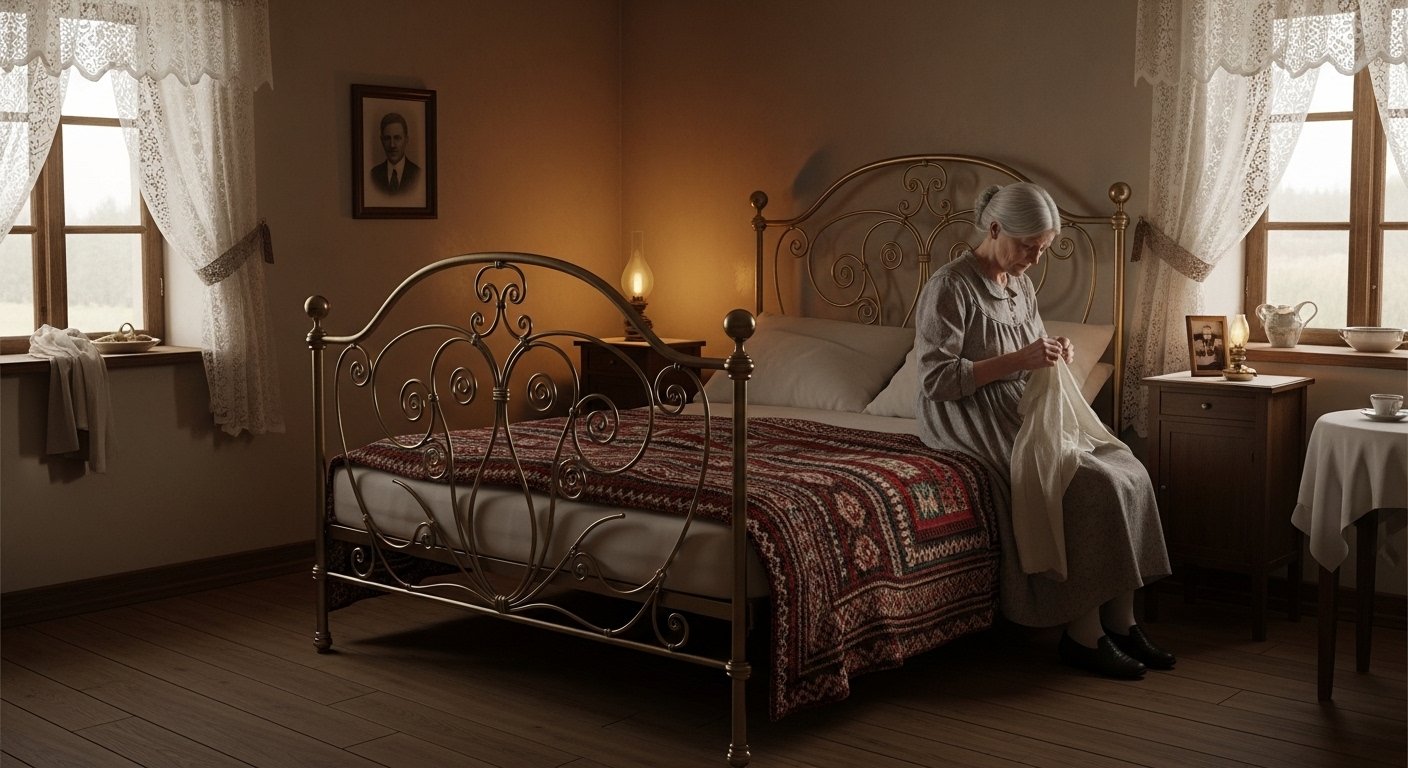
Jernsenger, a term that might not roll off the tongue for everyone, holds a rich tapestry of meaning across various cultures. This fascinating concept interweaves tradition and craftsmanship, bringing communities together in unique ways. As we delve into the world of Jernsenger, we’ll uncover its historical roots and how it has evolved over time. Beyond mere utility, Jernsenger reflects cultural values and practices that resonate deeply with identities around the globe. From Scandinavian artisans to African craftspeople, each community adds its own flair to this ancient art form. Join us on this journey as we explore what makes Jernsenger so significant in different corners of our diverse world!
The History and Evolution of Jernsenger
The journey of Jernsenger begins centuries ago, rooted in the traditions of various cultures. Initially crafted from iron and other metals, these objects served both functional and decorative purposes.
As communities evolved, so did their interpretations of Jernsenger. In Scandinavian regions, they became symbols of strength and resilience. Their intricate designs often reflected local folklore.
Over time, artisans began incorporating modern materials into their creations. This shift allowed for more diverse styles while maintaining a connection to heritage.
Technological advancements introduced new methods of production as well. Where hand-forging once dominated, machinery now plays a role in crafting these pieces.
Despite modernization, many traditional techniques are still preserved today by skilled craftsmen dedicated to upholding this rich legacy. The story continues to unfold with every piece created across the globe.
Cultural Significance in Various Communities
Jernsenger holds a unique place across various cultures, reflecting the beliefs and traditions of each community. In Scandinavian regions, these iron beds represent warmth and family togetherness. They are often passed down through generations as cherished heirlooms.
In Asian cultures, Jernsenger embodies harmony and balance within living spaces. The intricate designs symbolize prosperity and protection. Their presence in homes signifies respect for craftsmanship and heritage.
Moving to Africa, Jernsenger takes on vibrant forms that celebrate local artistry. These pieces become focal points in communal gatherings, reinforcing social ties among families and friends.
Each interpretation reveals how deeply rooted practices can transform an object into more than just furniture; they become symbols of identity and belonging for diverse groups around the world.
A. Jernsenger in Scandinavian Culture
Jernsenger holds a special place in Scandinavian culture, woven into the fabric of everyday life. Traditionally crafted from iron, these beds symbolize strength and durability. They reflect a time when functionality was paramount.
In rural communities, jernsenger were often passed down through generations. Families cherished them not only for their utility but also for their historical significance. Each scratch or dent tells a story of love and resilience.
Scandinavian design principles emphasize simplicity and minimalism, elements that jernsenger embody beautifully. Their clean lines and sturdy construction make them timeless pieces in modern homes as well.
Moreover, during long winter nights, stories shared around the warmth of a jernsenger fostered bonds among family members. This connection to heritage continues to influence contemporary interpretations today. The blend of tradition with modern aesthetics keeps the spirit alive across Scandinavia’s diverse landscapes.
B. Jernsenger in Asian Culture
In many Asian cultures, jernsenger holds a significant place within traditional crafts. In countries like China and Japan, these iron beds symbolize strength and resilience. Often passed down through generations, they are more than just furniture; they carry stories.
Moreover, in India, the use of metal bed frames can be traced back centuries. They represent both functionality and artistic expression. Local artisans often intricately design them with patterns that reflect cultural motifs.
The aesthetic appeal of jernsenger is evident in its incorporation into various architectural styles across Asia. From rustic homes to modern apartments, these pieces blend seamlessly while adding an element of history to contemporary spaces.
While some may see them as mere decor items, for many communities, jernsenger embody values such as family bonds and continuity throughout changing times. The emotional connection people have to their jernsenger reveals deeper ties to heritage that transcend physical form.
C. Jernsenger in African Culture
Jernsenger holds a unique place in various African cultures, often symbolizing community bonds and heritage. In many regions, these traditional iron beds are not merely furniture; they represent craftsmanship passed down through generations.
In West Africa, Jernsenger designs often reflect intricate artistry. Artisans infuse local motifs and colors into their creations, creating pieces that tell stories of ancestry and tradition. These beds serve as gathering spots for families during significant events or celebrations.
Across East Africa, the Jernsenger is celebrated for its durability and practicality. It’s common to find them adorned in vibrant fabrics that enhance living spaces while preserving cultural aesthetics.
For countless communities, the act of crafting a Jernsenger involves rituals that honor ancestors and embrace collective identity. This connection to culture makes each piece much more than just an object; it embodies history and communal spirit.
Modern Uses of Jernsenger
Jernsenger has found its way into contemporary life, showcasing versatility beyond traditional uses. Today, many artists incorporate jernsenger elements into their sculptures and installations. This fusion of old and new creates a captivating dialogue between cultures.
In the fashion industry, designers draw inspiration from jernsenger’s intricate designs. Clothing lines featuring these patterns celebrate heritage while appealing to modern aesthetics.
Additionally, home decor trends have embraced jernsenger motifs. From wall art to furniture pieces, they add a unique flair that resonates with nature and tradition.
Culinary spaces also benefit from the warmth of jernsenger materials. Restaurants often use them in table settings or as decorative accents for an inviting atmosphere.
This evolution highlights how jernsenger continues to thrive and adapt in our fast-paced world, bridging gaps between history and innovation.
The Environmental Impact of Jernsenger
Jernsenger, traditionally crafted from natural materials, has a dual-edged relationship with the environment. On one hand, these products celebrate sustainable practices. Artisans often source their raw materials locally, reducing transportation emissions.
On the other side, mass production can lead to environmental degradation. The demand for Jernsenger may encourage deforestation or overharvesting of specific resources. This imbalance poses challenges not only to ecosystems but also to the artisans who rely on these materials.
However, many modern makers are shifting towards eco-friendly alternatives. They embrace recycling and repurposing old items into new creations. This approach mitigates waste while preserving cultural heritage.
As communities recognize the importance of sustainability, there’s growing awareness surrounding ethical sourcing in Jernsenger production. By prioritizing balance between tradition and environmental responsibility, we can ensure that this cherished art form thrives without compromising our planet’s health.
Challenges Faced by Traditional Jernsenger Makers
Traditional jernsenger makers face numerous challenges that threaten their craft. One significant hurdle is the decline in demand for handcrafted items. As mass production takes over, fewer people appreciate the artistry involved in creating.
Additionally, sourcing quality materials has become increasingly difficult. Many artisans rely on specific types of wood or metal that are no longer widely available due to environmental regulations or deforestation.
Competition from cheaper alternatives adds pressure as well. Consumers often opt for inexpensive options without considering the cultural heritage behind traditional pieces.
Furthermore, preserving techniques passed down through generations can be daunting. Many younger craftspeople are drawn to modern careers and miss out on learning these valuable skills.
Market access poses another barrier. Artisans often struggle to showcase their work beyond local markets, limiting opportunities for growth and recognition of their unique contributions.
Conclusion
Jernsenger signifies more than just a physical object; it embodies rich traditions, craftsmanship, and cultural identity across various communities. Its historical roots showcase an evolution that spans generations. Each community brings a unique perspective, enhancing its significance in diverse ways.
From Scandinavian designs steeped in folklore to intricate Asian patterns reflecting spiritual beliefs and vibrant African interpretations celebrating heritage, the influence of is universal yet distinct. The modern applications of this craft highlight its ongoing relevance while promoting sustainability through eco-friendly practices.
However, traditional makers face challenges as globalization shifts consumer preferences. Preserving these time-honored techniques becomes vital for maintaining cultural integrity.
The journey of Jernsenger continues to inspire creativity and connection among people worldwide. As we explore these narratives further, we recognize the importance of honoring and sustaining such significant cultural treasures for future generations.