
 By team@soccerallies.com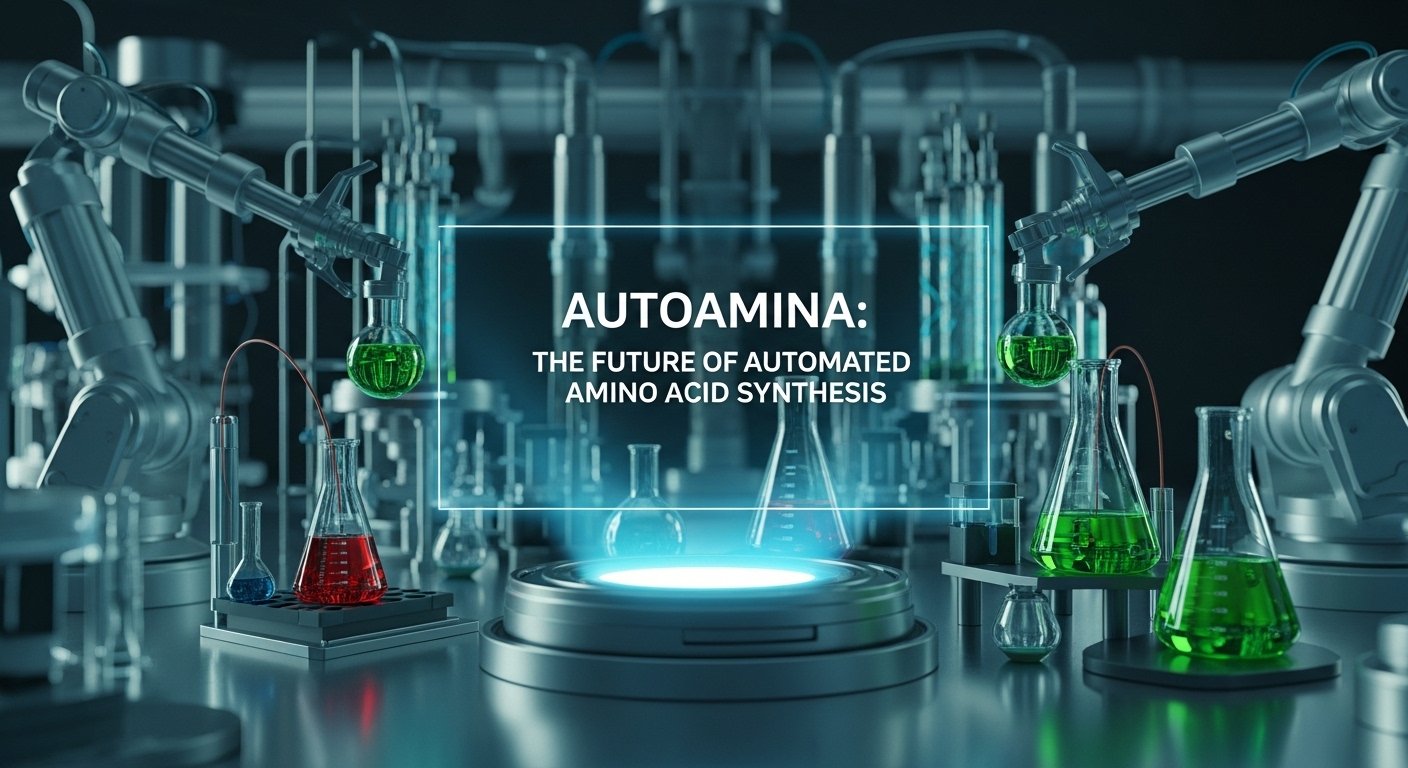
Imagine a world where the production of amino acids is as effortless and efficient as pressing a button. Enter Autoamina, a groundbreaking technology that promises to revolutionize how we synthesize these essential building blocks of life. As industries evolve and the demand for high-quality amino acids grows, this innovative solution steps in to streamline processes, reduce costs, and minimize environmental impacts. But what exactly is Autoamina? How does it work its magic? Let’s dive into the fascinating realm of automated amino acid synthesis and explore what makes this technology poised to shape our future.
What is Autoamina and How Does it Work?
Autoamina is a cutting-edge platform designed to revolutionize the synthesis of amino acids. At its core, it utilizes advanced automation and artificial intelligence to streamline complex biochemical processes.
This technology employs sophisticated algorithms that optimize reaction conditions in real-time. By analyzing vast amounts of data, Autoamina can predict which pathways will yield the highest purity and efficiency for desired amino acids.
The system integrates robotics with precision equipment, allowing for rapid production cycles. This means that what once took weeks or months can now be accomplished in days or even hours.
With Autoamina, researchers and manufacturers have unprecedented control over their syntheses. It enables customization at an individual level while maintaining high throughput. The result? A new era in amino acid production that meets diverse needs across various sectors without compromising quality or speed.
Advantages of Autoamina Compared to Traditional Amino Acid Synthesis
Autoamina offers a revolutionary approach to amino acid synthesis, standing out from traditional methods. One of its key advantages is efficiency. Automated processes reduce the time and labor required for production significantly.
Precision is another notable benefit. Autoamina systems utilize advanced algorithms to ensure optimal conditions for each reaction, minimizing waste and maximizing yield. This level of control translates into higher quality amino acids.
Cost-effectiveness also plays a crucial role in its appeal. By streamlining operations and reducing manual intervention, companies can lower their overall production costs.
Sustainability further enhances Autoamina’s value proposition. The technology requires fewer resources and generates less by-product compared to conventional techniques, making it an eco-friendly alternative in the industry.
The adaptability of Autoamina allows it to cater to various scales of operation, from small research labs to large-scale manufacturing facilities. This flexibility positions it as a leading choice for future development in amino acid synthesis.
Potential Applications for Autoamina in Different Industries
Autoamina holds immense potential across various industries. In pharmaceuticals, it streamlines the synthesis of amino acid-based drugs, significantly reducing production time and costs. This efficiency can lead to faster drug development cycles.
In agriculture, Autoamina can enhance crop resilience by producing tailored amino acids that boost plant growth and stress resistance. Such advancements could revolutionize sustainable farming practices.
The food industry also stands to benefit from Autoamina’s capabilities. By synthesizing specific amino acids, manufacturers can create healthier protein supplements or improve flavor profiles in products without additives.
Moreover, biotechnology thrives with Autoamina applications. It supports research in genetic engineering and synthetic biology by providing essential building blocks for proteins used in therapeutic treatments and bioengineering projects.
Each of these sectors exemplifies how automated amino acid synthesis reshapes traditional processes into modern solutions driven by innovation and efficiency.
The Impact of Autoamina on the Environment and Sustainability
Autoamina presents a promising shift towards sustainable practices in amino acid synthesis. Traditional methods often rely on harsh chemicals and energy-intensive processes, leading to significant environmental footprints. In contrast, Autoamina utilizes innovative technology that minimizes waste and reduces resource consumption.
The streamlined process of automated synthesis means fewer byproducts are generated. This efficiency not only conserves materials but also lessens the burden on waste management systems. Companies can produce amino acids with a smaller ecological impact.
Additionally, Autoamina’s potential for scaling operations allows for localized production. This localization reduces transportation emissions associated with global supply chains, fostering a greener approach to sourcing raw materials.
As industries increasingly prioritize sustainability, adopting technologies like Autoamina could set new standards for responsible manufacturing practices while promoting healthier ecosystems worldwide. The focus now shifts toward nurturing this development further to maximize its positive contributions to our planet’s well-being.
Challenges and Limitations of Autoamina Technology
Despite its innovative approach, Autoamina faces several challenges.
One significant hurdle is the complexity of amino acid structures. Not all amino acids are straightforward to synthesize automatically, particularly those with unique side chains or stereochemistry.
Cost remains another limiting factor. Setting up automated systems can require substantial initial investment and ongoing operational expenses, which may deter smaller companies from adopting this technology.
Moreover, the scalability of production poses concerns. While Autoamina excels in controlled environments, replicating these results on a large scale might introduce variability that compromises quality.
Regulatory hurdles present additional barriers. The approval process for new synthesis methods can be lengthy and complex across different regions, impacting market entry timelines for innovations like Autoamina.
Future Developments and Predictions for Autoamina
The future of Autoamina is poised for remarkable advancements. Researchers are exploring enhanced algorithms that could optimize amino acid synthesis further, making processes faster and more efficient.
Integration with artificial intelligence can lead to predictive modeling. This allows for on-the-fly adjustments in production based on real-time data. The potential to tailor amino acids for specific applications is also exciting.
As industries demand customized solutions, Autoamina may evolve into a platform offering bespoke amino acid profiles. Such flexibility could revolutionize fields ranging from pharmaceuticals to nutrition.
Collaboration between biotech companies and academic institutions will drive innovation. By pooling resources and expertise, they can overcome current limitations and unlock new functionalities in automated synthesis.
With these developments, the landscape of biochemistry might shift significantly, opening doors to previously unimagined possibilities in research and industry.
The Exciting Possibilities of Automated Amino Acid Synthesis with Autoamina
The advent of Autoamina opens up a world brimming with possibilities. Automated amino acid synthesis could revolutionize industries by providing tailored solutions at an unprecedented scale.
Imagine personalized nutrition where each supplement is custom-made based on individual needs. Athletes and health enthusiasts would benefit immensely from targeted formulations that optimize performance and recovery.
In pharmaceuticals, the ability to produce specific amino acids quickly can accelerate drug development. This efficiency can lead to faster treatments for various ailments, improving patient outcomes significantly.
Biotechnology also stands to gain immensely. The synthesis of rare or complex peptides becomes feasible, paving the way for groundbreaking research in genetics and molecular biology.
Moreover, integrating Autoamina into educational institutions could enhance hands-on learning experiences for students in biochemistry and related fields. Engaging with this innovative technology may inspire future scientists and researchers alike.
Conclusion
The advancements in automated amino acid synthesis through Autoamina are reshaping the landscape of various industries. This innovative technology not only offers increased efficiency and cost-effectiveness but also aligns with growing environmental sustainability goals. As research continues, we can expect to see expanded applications across fields such as pharmaceuticals, biotechnology, and food production.
While challenges remain—such as scalability and integration into existing manufacturing processes—the potential for breakthroughs is immense. With ongoing developments on the horizon, Autoamina stands poised to revolutionize how amino acids are produced and utilized.
As this technology matures, it will undoubtedly unlock new possibilities that could change the way we approach everything from drug development to nutrition. The journey of Autoamina has just begun; its future holds promise for a more efficient and sustainable world centered around automated amino acid synthesis.