
 By team@soccerallies.com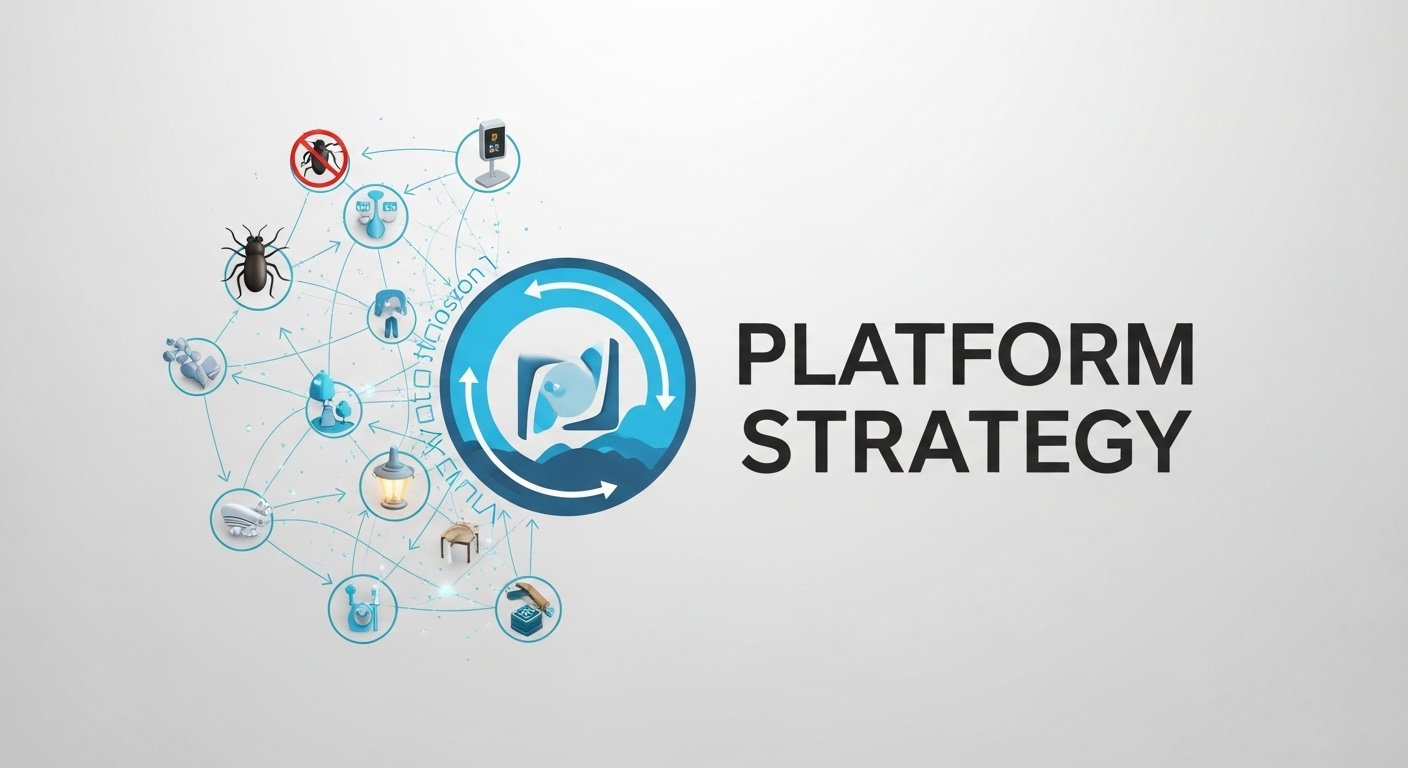
On a humid afternoon inside a bustling food distribution warehouse outside Madrid, a facility manager watched a tablet screen instead of scanning the floor for signs of infestation. Colored markers blinked quietly across a digital floor plan, each one representing a sensor placed strategically behind walls and along loading bays. There were no traps to inspect, no clipboards to carry, no reactive calls to make. The system was alerting the team before a problem had time to grow. That quiet shift from reaction to prediction captures the real story behind Anticimex 3d Sanidad and its evolution through the Wisecon platform strategy.
For decades, environmental sanitation and pest control have been seen as necessary but operationally mundane services. Yet in a world where supply chains are global, food safety regulations are stricter, and reputational risk spreads at the speed of social media, sanitation has become a technology-driven discipline. What once depended largely on manual inspections is now shaped by data, connectivity, and platform thinking.
The Evolution of Anticimex 3d Sanidad in a Digital Era
Anticimex was founded in Sweden in the 1930s with a traditional mission: protect health and property from pests. Over time, it expanded internationally and began investing heavily in digital monitoring technologies. In Spain, the brand Anticimex 3d Sanidad emerged as part of this broader transformation, integrating local environmental health expertise with global technological infrastructure.
The “3D” in its service philosophy refers to a preventive framework built around detection, defense, and documentation. Historically, pest control followed a reactive cycle. An infestation occurred, technicians responded, chemicals were applied, and reports were filed. The new model in Anticimex 3d Sanidad replaces this loop with continuous digital detection. Smart traps and sensors transmit data in real time, enabling technicians to intervene early or, in some cases, avoid intervention entirely.
For entrepreneurs and operators, this shift matters. A single contamination incident in a food processing facility can halt production, trigger regulatory penalties, and damage brand equity. Digital monitoring converts sanitation from a cost center into a risk management tool. It aligns with the broader industrial transformation often described as Industry 4.0, where connectivity and analytics reshape even the most traditional sectors.
Wisecon Estrategia De Plataforma: From Service to System
The real strategic leap lies in Wisecon, the digital platform that underpins Anticimex 3d Sanidad. While many service companies adopt isolated software tools, a platform strategy is fundamentally different. It treats data as an ecosystem rather than a byproduct.
Wisecon connects sensors, technicians, facility managers, and compliance documentation into a single digital environment. Data from smart devices is not just stored; it is analyzed and visualized through dashboards that allow businesses to identify patterns over time. A restaurant chain can compare risk levels across multiple locations. A logistics operator can correlate seasonal fluctuations with specific entry points. Decision-making becomes evidence-based rather than anecdotal.
Platform strategies have reshaped industries from transportation to hospitality. Companies like Uber and Airbnb built value by connecting participants and leveraging data at scale. While sanitation is less glamorous, the underlying logic is similar. By centralizing information and standardizing processes, Wisecon creates network effects across clients and geographies.
For founders and executives, the takeaway is not about pest control alone. It is about how even highly regulated, operational services can evolve into data-centric platforms. That shift drives scalability, differentiation, and long-term resilience.
Real-World Relevance for Regulated Industries
Environmental sanitation sits at the intersection of public health, compliance, and operational continuity. In sectors such as food production, pharmaceuticals, hospitality, and retail, regulatory oversight is intense. Agencies across Europe require meticulous documentation of monitoring and intervention practices.
In this environment, Anticimex 3d Sanidad offers more than field technicians. Through Wisecon, businesses gain traceable records, automated alerts, and audit-ready documentation. The digital trail reduces administrative friction and strengthens accountability.
Consider a multi-site food manufacturer operating across Spain and Portugal. Traditionally, each facility might maintain separate records, often paper-based or stored in fragmented systems. With a centralized platform, leadership can view risk exposure across all sites in real time. Compliance reports are standardized, searchable, and instantly retrievable. During an audit, transparency becomes an advantage rather than a vulnerability.
For entrepreneurs building companies in regulated spaces, this model highlights an important principle. Compliance is not merely about avoiding penalties. When embedded into a digital architecture, it can enhance operational intelligence and strategic oversight.
The Technology Behind the Transformation
At the core of Anticimex 3d Sanidad is an ecosystem of connected devices. Smart traps equipped with sensors detect rodent activity without relying on visible inspection. Environmental sensors monitor humidity, temperature, and other variables that may influence pest behavior. These devices communicate through secure networks to a central data platform.
The value lies not in the hardware alone but in the integration layer. Wisecon aggregates inputs from thousands of devices, filters noise, and presents actionable insights. Algorithms can distinguish between normal environmental fluctuations and risk signals that warrant intervention. Over time, predictive analytics refine recommendations, enabling proactive maintenance.
For technology readers, this represents a familiar pattern. IoT hardware generates raw data, cloud platforms process it, and analytics convert it into decision intelligence. What is distinctive here is the application domain. Environmental sanitation has historically been labor-intensive and analog. Embedding digital infrastructure into this space signals a maturation of the sector.
The following table illustrates the operational shift enabled by this platform-driven approach.
| Dimension | Traditional Sanitation Model | Anticimex 3d Sanidad with Wisecon |
|---|---|---|
| Monitoring | Periodic manual inspections | Continuous digital monitoring |
| Data Storage | Paper logs or local files | Centralized cloud platform |
| Response Time | Reactive after detection | Proactive and predictive |
| Compliance Reporting | Manual compilation | Automated, audit-ready documentation |
| Scalability | Site-by-site management | Multi-site visibility through one interface |
For founders assessing digital transformation projects, this comparison underscores how platform integration reshapes both workflow and governance.
Sustainability and the Shift Toward Preventive Models
Sustainability is no longer confined to carbon reporting or renewable energy adoption. In sanitation, preventive models reduce chemical usage, limit environmental impact, and lower waste generation.
By detecting early signals of pest activity, Anticimex 3d Sanidad minimizes the need for broad-spectrum treatments. Interventions become targeted and data-driven. This aligns with the broader environmental priorities emerging across the European Union, where regulatory frameworks increasingly reward preventive approaches.
The sustainability dimension also influences brand perception. Consumers and investors are scrutinizing supply chains more closely than ever. A company that can demonstrate technology-enabled preventive sanitation strengthens its ESG narrative. In this sense, digital sanitation is not only operationally efficient but reputationally strategic.
Data as a Strategic Asset
Perhaps the most compelling insight for tech leaders is the reframing of sanitation data as a strategic asset. Each sensor reading contributes to a growing dataset on environmental conditions, seasonal trends, and risk factors. Aggregated across industries and geographies, this information can inform product development, service optimization, and even policy discussions.
The Wisecon platform strategy positions Anticimex 3d Sanidad as more than a service provider. It becomes a data steward. Over time, machine learning models trained on this dataset may improve forecasting accuracy and reduce intervention costs.
This is a familiar trajectory in digital businesses. What begins as operational data evolves into proprietary intelligence. For entrepreneurs, the lesson is clear. When designing a service, consider how data flows through the system and how it can compound in value.
Cultural Change and Organizational Impact
Technology adoption is rarely frictionless. Introducing digital monitoring into sanitation operations requires training, cultural adaptation, and process redesign. Field technicians must become comfortable interpreting dashboards. Facility managers must trust algorithmic alerts rather than relying solely on physical inspection routines.
Anticimex 3d Sanidad’s transformation reflects a broader cultural shift within industrial services. Digital literacy becomes part of frontline work. Decision-making becomes more collaborative, with shared access to data across roles.
For founders scaling service businesses, this underscores a key principle. Platform strategies succeed not only because of technology but because of organizational alignment. Investment in training and communication is as critical as investment in hardware and software.
Competitive Positioning in a Platform Economy
In a fragmented market where many local providers still rely on traditional methods, a platform-centric approach creates differentiation. It raises barriers to entry. Replicating a connected ecosystem with proprietary software, analytics capabilities, and a large installed base of devices requires significant capital and expertise.
Moreover, platform strategies create stickiness. Clients integrated into Wisecon’s reporting and monitoring workflows are less likely to switch providers abruptly. Data continuity becomes a strategic asset.
For investors and startup leaders, the case of Anticimex 3d Sanidad illustrates how legacy industries can be reimagined through platform economics. It demonstrates that digital transformation is not limited to software startups or consumer apps. Even sanitation, a field often overlooked in innovation narratives, can evolve into a technology-driven service model.
Conclusion
Anticimex 3d Sanidad Ambiental / Wisecon estrategia De Plataforma represents more than a modernization of pest control. It reflects a structural shift in how environmental health services are conceived, delivered, and scaled. By embedding IoT infrastructure into everyday operations and consolidating insights within a unified platform, the company transforms sanitation into a proactive, data-informed discipline.
For entrepreneurs, founders, and technology leaders, the broader lesson is compelling. Digital transformation is not about layering software onto old processes. It is about redesigning systems around continuous data flow, predictive analytics, and integrated governance. When applied thoughtfully, even the most traditional sectors can become intelligent ecosystems.
As regulatory pressures intensify and sustainability expectations rise, the fusion of environmental health and digital platforms will likely accelerate. In that landscape, Anticimex 3d Sanidad stands as a case study in how platform thinking can redefine an industry once considered purely operational, turning it into a strategic pillar of modern enterprise management.